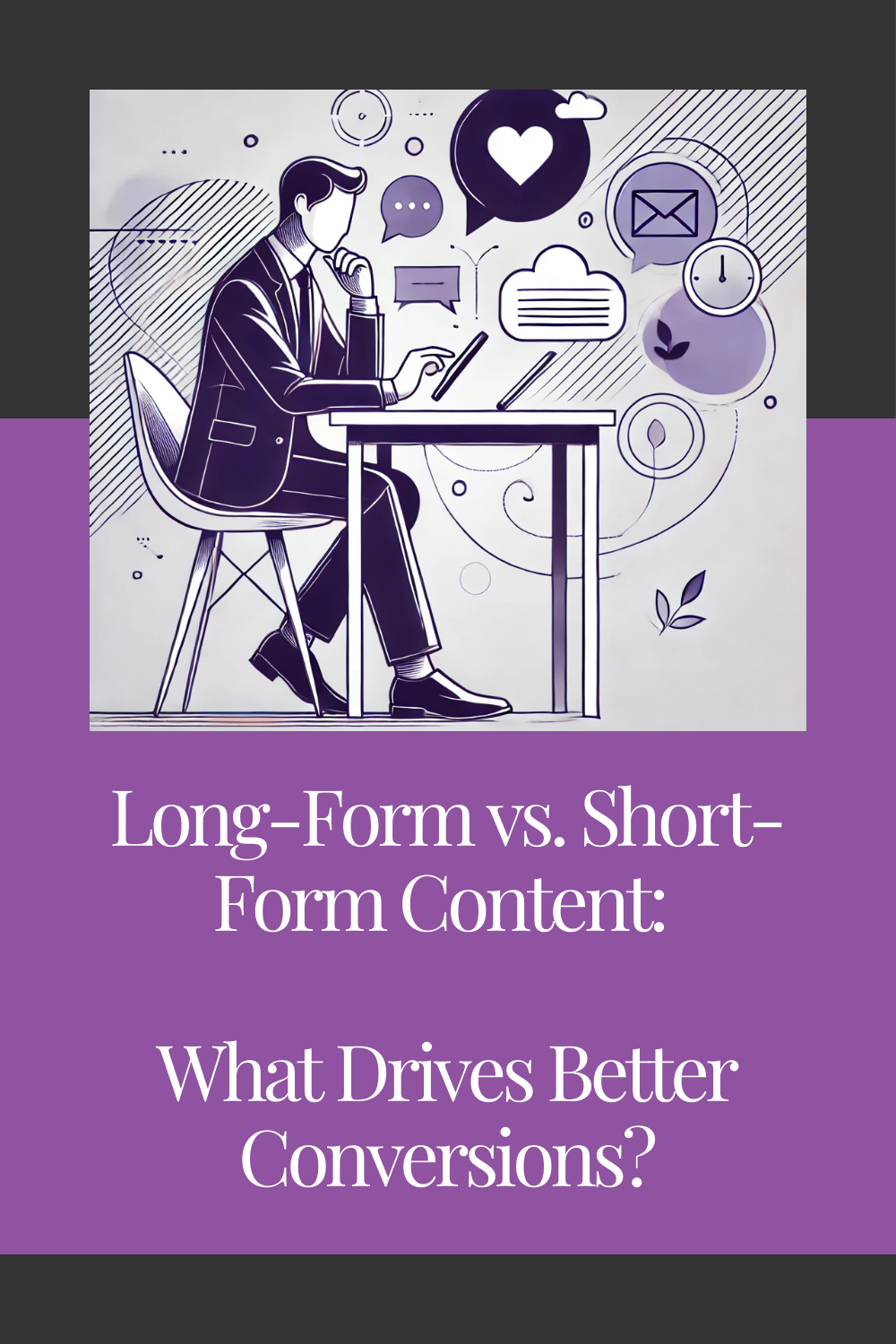
Long-form vs. Short-form content: What drives better conversions?
Compare long-form and short-form content to learn when each format supports stronger engagement, trust and conversions.
Marketers often treat content length like a performance setting. Turn the word count up for authority. Cut it down for engagement.
That approach makes content planning sound simple. It also starts with the wrong question.
Long-form content does not convert because it is long. Short-form content does not convert because people have lost the ability to concentrate. Each format works when it gives the reader the right amount of information for the decision in front of them.
A buyer comparing enterprise software may need a detailed guide before booking a demo. That same person may need only two clear sentences before downloading a checklist. The audience has not changed. The decision has.
I prefer writing long-form content because it gives an argument room to develop. But I would never recommend 2,000 words when 500 can answer the question properly. Extra length can create as much friction as missing information.
The useful question is not whether long-form or short-form content converts better. It is how much depth the reader needs before the next step feels sensible.
Content length does not create value by itself
People often define long-form content as anything above 1,000 words. They place shorter blog posts and social content in the short-form category.
Those definitions offer a useful starting point, but they do not travel well across formats. A 900-word email feels long. A 900-word technical guide may feel incomplete. A three-minute video counts as short-form on YouTube, but it may feel slow on Instagram.
Length only makes sense in context.
Longer content does not automatically rank better
One of the most persistent content myths says that Google prefers long articles. This belief encourages brands to stretch simple answers into lengthy posts.
Google’s own Search Essentials focus on helpful content made for people. The guidance does not prescribe a target word count. A page needs to answer the search clearly and provide enough substance to satisfy the intent behind it.
Longer pages sometimes perform well because complex topics require more explanation. They may also attract links when they offer original research or a useful resource. Length accompanies that value. It does not create it.
This distinction also matters for conversions. A long article can attract qualified traffic and build trust. It can also bury the useful answer beneath an unnecessary history lesson.
The balance between SEO and conversion copywriting starts with the same principle. Help the right person find the page, then make the next step easy to understand.
Conversion depends on the weight of the decision
The reader’s information needs usually increase with uncertainty.
Someone choosing a new HR platform may need to understand implementation and security. Someone joining a free webinar may only need the topic and date.
Long-form content can reduce uncertainty when the decision carries meaningful cost or risk. Short-form content can reduce friction when the offer already feels familiar.
This helps explain why the same company may need both formats. A short LinkedIn post can introduce a problem. A detailed comparison page can help the buyer evaluate possible solutions.
The difference between B2B and B2C copywriting can influence the amount of detail, but the market label does not settle the question. A consumer may research an expensive camera for weeks. A business user may adopt a free tool after a quick product tour.
The decision matters more than the category.
When Long-form content supports conversion
Long-form content works best when readers need context before they can trust the conclusion. It gives the writer room to explain a complicated problem and answer objections.
Use long-form content to reduce uncertainty
Detailed content can help when the reader needs to compare approaches or understand consequences. This often includes:
- Educational guides for unfamiliar problems
- Case studies for high-consideration services
A strong guide does not cover every possible fact. It follows the questions a reader needs to answer before moving forward.
Imagine a SaaS company that sells payroll software. A short product page may explain the main benefit, but a buyer may also want to know how migration works. They may need to understand how the system handles different pay rules.
A detailed guide can answer those questions before the sales call. It gives the buyer language they can use when discussing the purchase internally.
Long-form content also suits thought leadership when the argument needs evidence and explanation. A strong opinion without support may create attention. It will not build much trust.
Give readers depth without making them work for it
Long-form content should not force every reader through every paragraph.
Place the main answer near the beginning. Use headings that describe what each section explains. Keep paragraphs focused on one point.
This creates two paths through the page. A reader who needs the conclusion can find it quickly. A reader who needs evidence can continue.
Internal links can also keep the article focused. If one supporting topic needs a full explanation, link to a relevant resource instead of forcing an unrelated section into the page. The current article stays clear while interested readers get more depth.
The strongest long-form pieces feel complete, not padded. Every section should help the reader understand the issue or feel more confident about the next step.
When short-form content converts better
Short-form content works when the audience already understands the problem or needs one clear reason to act. It can introduce an idea without demanding much time.
Use short-form content to create momentum
A short format forces the writer to choose the most important point. That focus can make the message easier to remember.
Short content often suits:
- Social posts that introduce one useful observation
- Emails built around one clear action
Short-form video also shows how strongly platform behavior shapes performance. In HubSpot’s State of Marketing report, 48.6% of surveyed marketers named short-form video among the formats that produced the highest ROI.
That figure does not prove that every short format will outperform a long one. It shows that concise content can work extremely well when the platform rewards quick discovery and the message suits the format.
Short does not mean shallow
Cutting words does not require cutting substance. Strong short-form content removes setup and focuses on one useful takeaway.
For example, a weak LinkedIn post might list five familiar productivity tips. A stronger post could explain why one common meeting habit wastes time and show a better alternative.
The second version gives the reader less information but more value.
Short-form content fails when it becomes vague. “Improve your content strategy” offers no concrete reason to stop scrolling. “Turn one customer objection into your next five content ideas” gives the reader something specific to consider.
The same rule applies to conversion copy. A short landing page can work when the offer feels simple. A more complex service may need proof before the call to action feels credible. Effective conversion copywriting removes unnecessary words without removing information the buyer needs.
Build a content system that uses both formats
Choosing one format for the whole strategy creates unnecessary limits. Long-form and short-form content can handle different parts of the same buyer journey.
Start with the idea, then choose the depth
One strong idea can support several assets without turning into repetitive content.
A detailed article can explain the full argument. A LinkedIn post can focus on the most surprising observation. An email can connect that idea to a current customer problem.
Each asset should offer value on its own. Simply cutting paragraphs from the long article will not create effective short-form content. The writer must adapt the idea to the way people use each channel.
For example, a B2B brand might publish a guide about reducing customer onboarding time. A short post could challenge a common onboarding metric. The guide helps readers understand the process, while the post gives them a reason to question their current approach.
A clear B2B copywriting strategy connects these assets so each one moves the reader toward a sensible next step.
Measure each format by its job
Long-form and short-form content should not share one definition of success.
A detailed article may support organic traffic and assisted conversions. A short social post may generate discussion or introduce the brand to new people.
Before creating either format, answer two questions:
- What should the reader understand after seeing this content?
- What should feel like the natural next step?
Those answers make performance easier to judge. They also prevent teams from expecting every article to generate immediate leads or every social post to produce direct revenue.
Choose the shortest format that fully supports the decision
Neither long-form nor short-form content wins by default.
Long-form works when readers need depth to understand an unfamiliar or high-risk decision. Short-form works when they need a clear point and an easy next step.
Start with the reader’s question. Consider how much uncertainty surrounds the decision. Then choose the shortest format that answers the question without leaving an important gap.
Content should earn attention through relevance, not consume attention through length.
Copywise creates content that gives buyers the depth they need without adding words they do not. Explore our copywriting services or contact us to plan your next content project.
Turn Words into Revenue — Work With Us!
We’re Ready to Elevate Your Brand
Read More Articles