B2B vs. B2C Copywriting: What Really Changes?
Learn how B2B and B2C copywriting differ and how each approach supports the way its audience researches and makes buying decisions.
Copywriting always asks the same basic question: what does this person need to hear before they take the next step?
The answer changes with the buyer and the decision in front of them.
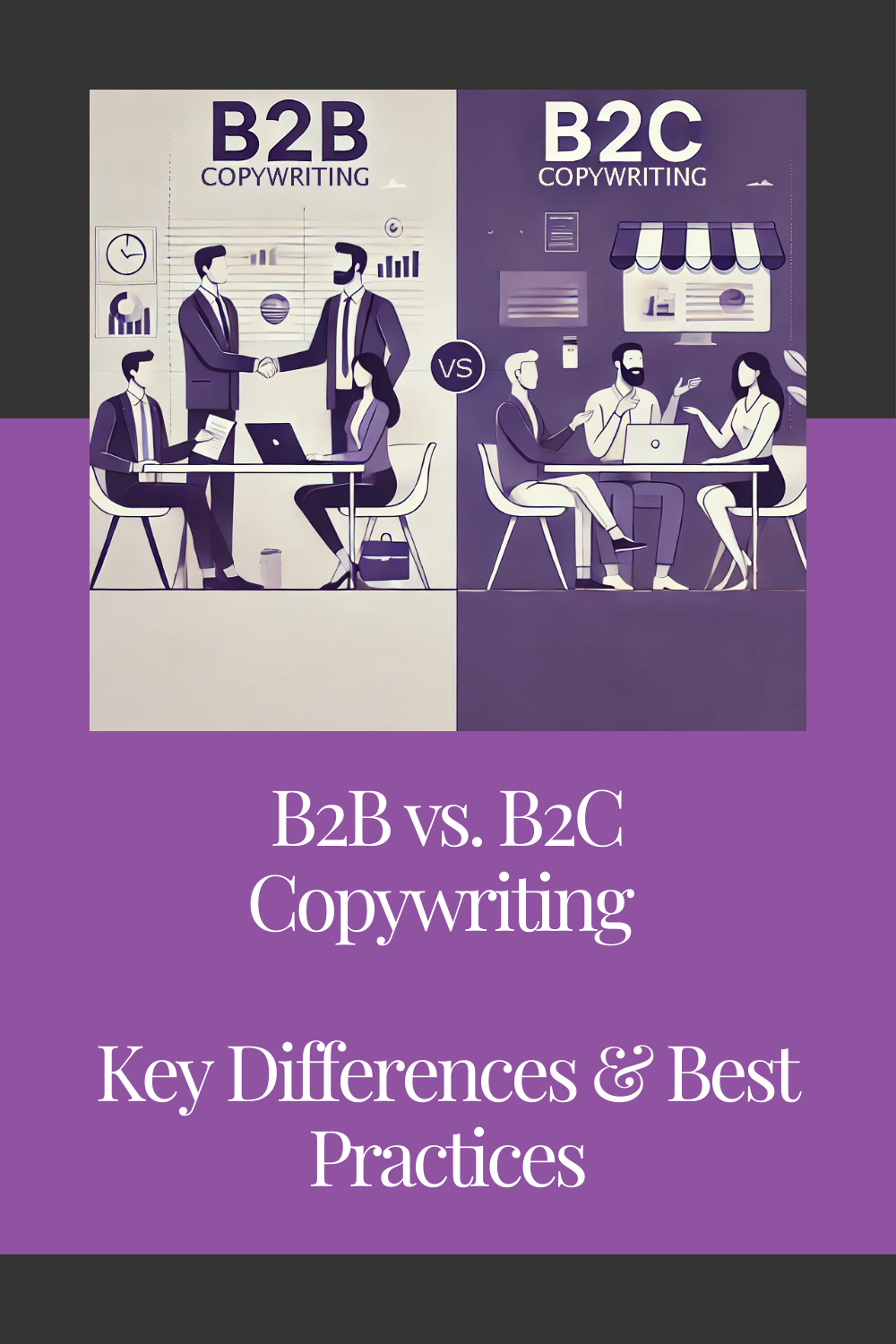
B2B copy speaks to people who buy something for a company. B2C copy speaks to people who buy something for themselves. That difference shapes the message and the proof behind it.
In my experience, the weakest briefs treat B2B buyers as purely logical and B2C buyers as purely emotional. That split sounds neat. It also leads to flat copy.
A finance director may worry about making a costly mistake in front of the board. A consumer may compare prices before buying a new laptop. Both buyers use reason. Both feel emotion.
The main difference lies in the context around the choice. A B2B purchase often affects a team and carries professional risk. A B2C purchase usually affects the buyer or their household.
How the Buying Context Changes the Copy
Good copy starts before the first sentence. It starts with a clear view of the person making the choice.
B2B Copy Often Serves More Than One Reader
One person may discover a B2B product, but several people can influence the final decision. Each person approaches the offer with a different concern.
A marketing manager may want faster campaign production. A finance lead may focus on cost. The IT team may care most about security. The person who signs the contract may never use the product.
This creates a specific challenge. The copy needs one clear central promise, but it must also give each reader enough information to support the purchase.
Imagine a company that sells project management software. Its homepage might lead with a broad outcome:
Keep complex projects moving without adding more meetings.
The rest of the page can then address separate concerns through focused sections. One section could explain permissions. Another could show how the platform shortens weekly reporting.
A skilled B2B copywriter connects those points without turning the page into a product manual. The copy gives every stakeholder a reason to continue while keeping the main argument easy to follow.
B2C copy usually speaks to one buyer at a time. The message rarely needs approval from a formal buying group, so the writer can focus on an immediate personal goal.
A meal planning app might say:
Decide what to cook in minutes and stop wasting food each week.
The promise feels personal because the decision feels personal.
Risk Shapes the Amount of Proof a Buyer Needs
B2B purchases often involve larger budgets or longer commitments. A poor choice can disrupt work. It can also damage the buyer’s reputation inside the company.
That pressure changes the role of copy. The message must do more than create interest. It must help the buyer defend the decision.
Strong B2B proof may include:
- A relevant customer result
- A clear product demonstration
- An explanation of implementation
- An answer to a common objection
Proof does not mean filling the page with numbers. A statistic only helps when the source looks credible, and the result matters to the reader. An unsupported percentage weakens trust.
B2C buyers need proof too. Reviews can reduce doubt. A useful product comparison can make the choice easier.
However, the buyer may accept less information when the price feels low, and the commitment feels small. Someone choosing a $20 water bottle will not conduct the same research as a company choosing a new payroll system.
Price does not explain everything. A low-cost health product can carry meaningful personal risk. The writer must judge the decision instead of applying a fixed rule.
How the Message Changes Between B2B and B2C
The buying context affects what the copy says and how quickly it says it. It also affects the type of value that deserves the most space.
B2B Copy Builds a Business Case
B2B copy often connects a feature with an operational or commercial result. It answers questions such as:
- Will this save the team time?
- Will this reduce a known risk?
- Will this support revenue?
- Will employees use it?
The copy should not stop at the feature. “Automated reporting” tells the reader what the product does. “Build the weekly client report without copying data between tools” shows why the feature matters.
Specific language also helps the buyer picture the product in use. Compare these two examples:
Our innovative platform optimizes cross-functional workflows.
Give every team one place to track decisions and see what needs attention.
The first version tries to sound impressive. The second version gives the reader something concrete to understand.
This does not mean B2B copy should sound dry. Business buyers want fewer problems at work. They also want confidence in the decision they recommend.
The writer should acknowledge those feelings without turning every inconvenience into a crisis. A clear B2B copywriting strategy keeps the emotional promise connected to credible business value.
B2C Copy Makes Personal Value Easy to Feel
B2C copy often brings the benefit closer to the buyer’s daily life. It may focus on comfort or enjoyment. It may also help the buyer express part of their identity.
Consider cloud storage. A B2B message could focus on access control:
Share company files without losing control of who can open them.
A consumer version could focus on memories:
Keep every family photo safe and find it from any device.
The underlying service may look similar. The reason to care changes.
B2C copy often moves faster because the buying process can move faster. The call to action may ask for the sale right away.
Yet speed does not excuse vague hype. “Transform your life today” says almost nothing. “Plan five weekday dinners in ten minutes” gives the buyer a clear outcome.
Good B2C copy can feel playful or bold. Yet a bank should not borrow the voice of a snack company simply because both sell to consumers.
Tone Depends on More Than the Market Label
Writers often assume that B2B means formal and B2C means casual. That rule breaks quickly.
A creative tool for freelance designers may use a warm voice even though it serves businesses. A luxury watch brand may choose precise language even though it serves consumers.
Audience knowledge should shape the tone. Ask how customers describe the problem, then write in language they recognize.
I would rather use one plain sentence from a customer interview than ten impressive phrases from an internal presentation. Familiar language helps readers feel understood. It also makes the offer easier to remember.
How to Choose the Right Content and Conversion Path
B2B and B2C copy can both use landing pages or emails. The difference lies in the job each asset needs to do.
Match the Format to the Decision
B2B buyers often need content that supports research. A case study can show how another company solved a similar problem. A comparison page can help a buyer create a shortlist.
Longer content works when the reader needs detail. Shorter content can create awareness and lead the right person toward it.
That is why the choice between long-form and short-form content should follow buyer intent. It should not depend on a claim that B2B readers always want long reports.
B2C brands can also use long content. A detailed guide may help someone choose an expensive camera. A short video may sell a familiar skincare product by showing how it looks.
Format follows the question in the buyer’s mind.
Use a Call to Action That Fits Buyer Readiness
A B2B visitor may not want a sales call during the first visit. They may prefer to view pricing or watch a product tour. Asking for too much too soon can create resistance.
The call to action should offer a sensible next step. On a complex product page, that could mean “See how it works.” On a high-intent page, “Book a demo” may fit better.
B2C copy can often move directly toward purchase. “Add to cart” makes sense when the buyer understands the product and feels ready to choose.
The distinction matters for search pages too. A page must match the reason someone searched before it can convert them. Balancing SEO and conversion copywriting helps the page attract the right visitor and guide that person toward a useful next action.
Keep the Fundamentals the Same
B2B and B2C copywriting need different emphasis, but strong copy follows the same foundation.
It understands the reader. It makes a clear promise. It supports that promise with proof. It removes unnecessary effort from the next step.
The writer’s job is not to make every B2B page sound serious or every B2C page sound exciting. The job is to understand what makes the choice difficult.
That approach also answers the question of which type feels harder. Neither wins by default. B2B copy becomes difficult when the offer involves many stakeholders. B2C copy becomes difficult when buyers see little difference between competing products.
The better question is this: what does this buyer need from this message right now?
Answer that clearly, and the B2B or B2C label becomes context rather than a formula.
Copy That Fits the Way Your Customers Buy
Copywise shapes each message around the buyer and the decision behind the page. Explore our copywriting services or contact us to discuss your next project.
Turn Words into Revenue — Work With Us!
We’re Ready to Elevate Your Brand
Read More Articles