How to Get Featured in Top Publications With a Strong Media Pitch
Learn how to write a relevant media pitch that gives journalists a clear story and a credible reason to cover it.
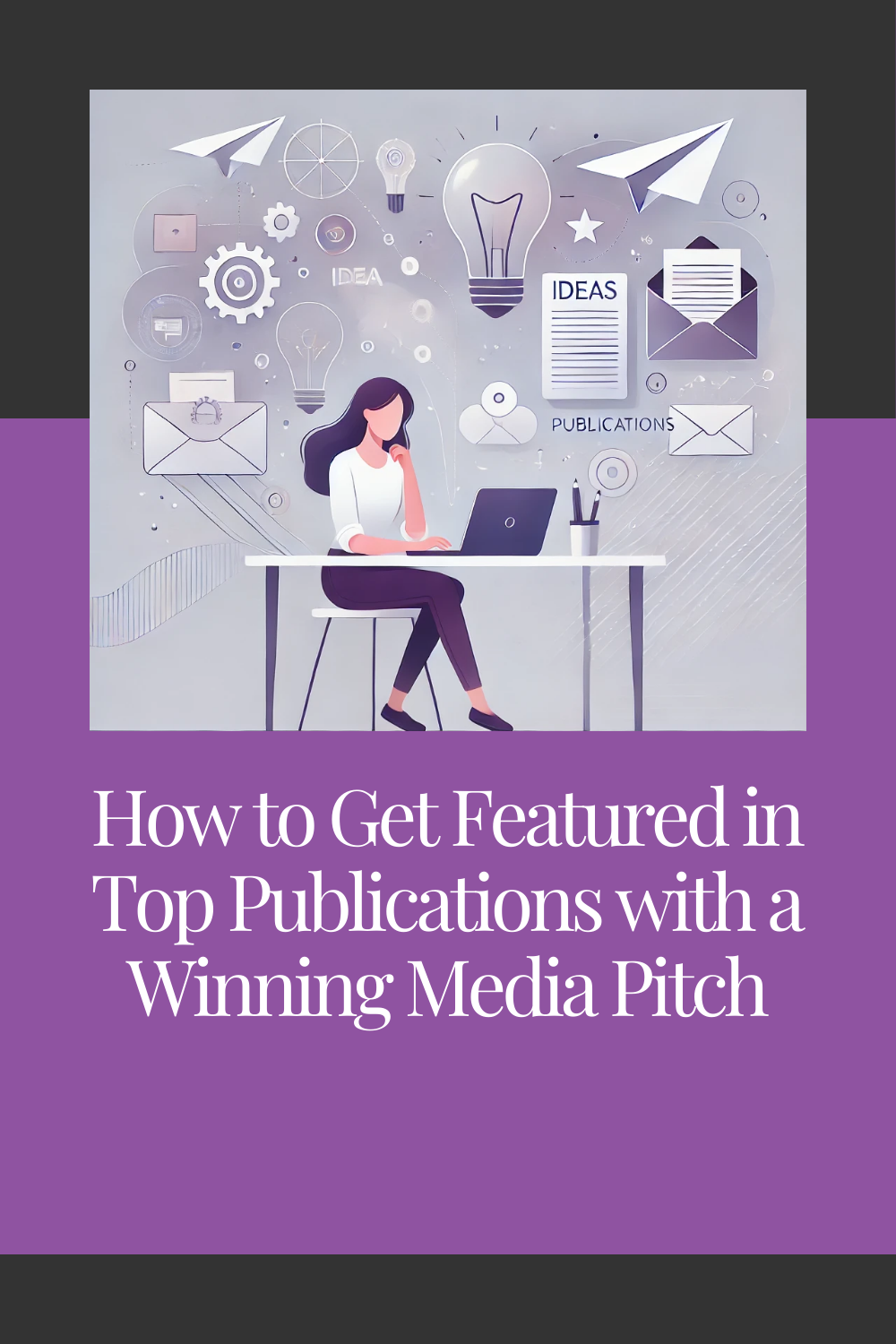
Getting featured in a respected publication does not begin with an impressive company description. It begins with a story that fits the publication and matters to its audience.
That difference explains why many media pitches fail.
Businesses often write outreach as if they were contacting a potential customer. They introduce the company and describe the product. Then they ask the journalist to provide coverage.
The journalist needs something else. They need a clear story and a reason to cover it now.
A strong media pitch makes that story easy to evaluate. It explains the angle and offers credible support. It also shows why the idea belongs with that journalist.
The pitch cannot guarantee coverage. News priorities can change within hours. A better pitch can make it easier for the journalist to recognize an idea worth pursuing.
A media pitch should offer a story, not ask for publicity
A media pitch is a short editorial proposal. It should help a journalist see what the potential article could give their readers.
Your company may appear in that story. It should not become the whole reason for the story.
Start with the audience’s reason to care
Before writing the email, complete this sentence:
This matters to the publication’s readers because...
If the answer only describes a benefit for your business, the angle needs more work.
A new feature may matter internally, but the announcement alone rarely creates a strong story. The pitch becomes more useful when the feature points to a wider change or solves a problem the journalist already covers.
For example, “Our company launched a new payroll dashboard” focuses on the business. “Small construction firms are losing visibility into labor costs as crews move between jobs” introduces an issue that may affect the publication’s readers.
This is also where a clear point of view helps. Brands that develop useful thought leadership often have stronger media angles because they can explain what others in the industry overlook.
Give the story a reason to happen now
Newsworthiness often depends on timing.
A pitch may connect with a new regulation or a shift in customer behavior. It could also offer fresh data that changes how people understand a familiar issue.
Do not force a weak connection with a trending story. Journalists can see when a company attaches itself to news without contributing anything useful.
The link should feel direct. A cybersecurity expert commenting on a major data breach may offer relevant context. A general productivity app probably does not belong in the conversation.
Research the journalist before writing the pitch
Media outreach works better when research shapes the idea rather than adding a personalized sentence after the pitch already exists.
Cision’s media research found that 86% of journalists reject pitches when the idea does not match their beat or audience. Relevance matters more than clever wording.
Match the idea with the journalist’s current beat
A journalist may write for a business publication without covering every business topic. One reporter may focus on workplace technology. Another may cover venture funding.
Read several recent articles before reaching out. Look at the subjects and the type of sources the journalist includes.
This research helps answer two questions:
- Does this person cover the subject behind the pitch?
- Does the proposed format fit their work?
A reporter who writes news briefs may want timely data and a source who can respond quickly. A journalist who produces long features may need access to people with detailed experiences.
Personalize the angle, not the compliment
“I loved your recent article” does not prove that a pitch fits the journalist’s work.
Useful personalization explains the connection. You might mention that the journalist recently covered a new regulation, then show how your data reveals its effect on smaller employers.
Keep that reference brief. The goal is not to prove that you read the journalist’s entire archive. The goal is to show why this particular story belongs in their inbox.
Write a pitch the journalist can evaluate quickly
Journalists often review pitches between other assignments. The email should make the angle clear without requiring them to open several links or read a long company history.
Use the subject line to identify the story
The subject line should help the journalist understand what the email contains.
Avoid vague phrases such as “Great story opportunity” or “Exciting company news.” They create curiosity without useful context.
A clear subject line can name the finding or explain the proposed angle:
New data: Small contractors lose 11 hours a month to payroll corrections
Story idea: Why return-to-office policies are changing hiring outside major cities
Lead with the strongest part of the story
The first sentence should introduce the angle. Do not spend the opening paragraph explaining who you are.
A practical opening might say:
Our survey of 600 independent retailers found that delivery costs now influence supplier choice more than order minimums. The shift could change how smaller brands negotiate wholesale contracts before the holiday season.
The journalist can see the finding and its relevance immediately.
The next paragraph can explain the evidence and offer access to a source. End with a direct question about interest.
Keep the pitch focused on one angle
A pitch weakens when it proposes several possible stories and asks the journalist to choose one.
Select the strongest angle for that reporter. If the research supports another idea for a different beat, send a separate pitch after adapting it to that audience.
This differs from a guest post pitch, where the sender often proposes an article they plan to write. A media pitch offers a story for the journalist to report and shape.
Use a simple media pitch structure
The finished email can follow this structure:
Subject: New data: [Specific finding and affected audience]
Hi [Name],
[Open with the strongest finding or story angle. Explain why it matters now.]
[Add one piece of supporting evidence. Offer access to a relevant expert or participant.]
Would this fit anything you are currently covering? I can send the full data and arrange an interview this week.
Best,
[Name]
Support the pitch with credible material
A journalist may ignore a promising idea if the evidence looks weak or the source cannot answer basic questions.
Prepare the support before sending the pitch.
Make the evidence easy to verify
If the pitch relies on original research, explain the sample and methodology. Make the complete findings available.
If it relies on a customer story, confirm that the customer agrees to participate. The journalist may want to speak with the person directly.
An expert source should have relevant knowledge and enough availability to respond within the journalist’s deadline.
Do not hide commercial relationships. Clear disclosure protects the journalist and strengthens your credibility.
Offer assets that fit the publication
Useful assets may include original images or a simple data chart. The right material depends on the publication’s format.
A podcast producer needs an articulate guest more than a collection of product screenshots. A digital publication may value high-resolution images with clear usage rights.
The same principle applies when responding to journalist source requests. Answer the question directly and make every claim easy to confirm.
Follow up once and respect the answer
A brief follow-up can bring a relevant pitch back to the top of the inbox. Cision found that 62% of journalists recommend one follow-up rather than repeated messages.
Wait a few working days unless the story has an immediate deadline. Keep the follow-up shorter than the original pitch:
Hi [Name], I wanted to bring this back to the top of your inbox in case the data fits your current coverage. I can send the methodology or arrange an interview if useful.
If the journalist declines or does not respond after the follow-up, move on. Repeated messages do not make an irrelevant pitch more appealing.
Build media relationships through useful outreach
One pitch may earn coverage, but strong media relations develop over time.
Pay attention to what journalists cover even when you have nothing to promote. Respond quickly when someone requests a source. Avoid contacting the same person with every company announcement.
Most importantly, protect the trust behind the relationship. Check every statistic and disclose relevant interests. Deliver anything you promised within the agreed timeline.
The goal is not to persuade a journalist to advertise the brand. It is to become a reliable source of relevant stories and credible expertise.
Copywise develops media pitches around the story a publication can use, not the publicity a business wants. Explore our press and media services or contact us to shape your next pitch.
Turn Words into Revenue — Work With Us!
We’re Ready to Elevate Your Brand
Read More Articles